OCEAN ADVENTURES
_________________________________________________________________________________________________________________
"My relationship to water is truly carnal."
- Born in the depths of the Champagne countryside, nothing predisposed Guy Delage to love ocean immersions ... It’s one of them that will make him becoming famous !
- Endurance swimmer, very early, he discreetly performs several difficult long distances crossings.
- At 18 years, he swam across the Channel, alone and without any assistance.
- In 1973 he swam from town Le Conquet to the island Ouessant, still alone and without any assistance.
- Since the age of 15, he spends thousands of hours on diving and snorkeling.
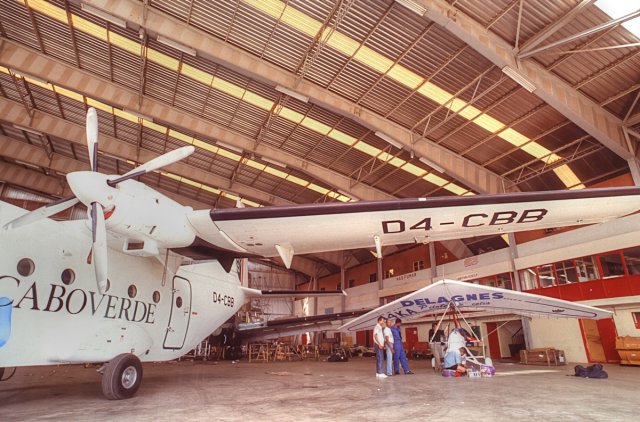
- « Opération Océanantes » : On 16 December 1994, Guy Delage left the beaches of Cabo Verde (Mindelo Island) alone, crossed the Atlantic, drifting and swimming, and arrived on 9 February 1995 on the Island of Barbados.
- « Mission Oxygène » : In 1998, he tried to cross the Indian Ocean by drifting in an underwater submarine bell, Ocean Observer, at 7 meters depth.
- Since 2002 and until 2016, he has carried out numerous explorations in diving and snorkeling in contact with large marine mammals and sharks in places that are still fairly well preserved in the Caribbean and the Pacific Ocean (Los Roques and Los Aves -Venezuela- , Light house reef and Glover reef - Belize -, Silver bench and Bank of the Handkerchief -Turks and Caicos and Dominican Republic, Las Perlas -Panama-, Malpelo-Colombia, Galapagos -Equator-, Henderson -Pitcairn Islands-, Gambiers, Tuamotous, Marquesas-French Polynesia-)
1994 : "OCEANANTES", ATLANTIC SWIMMING AND DRIFTING
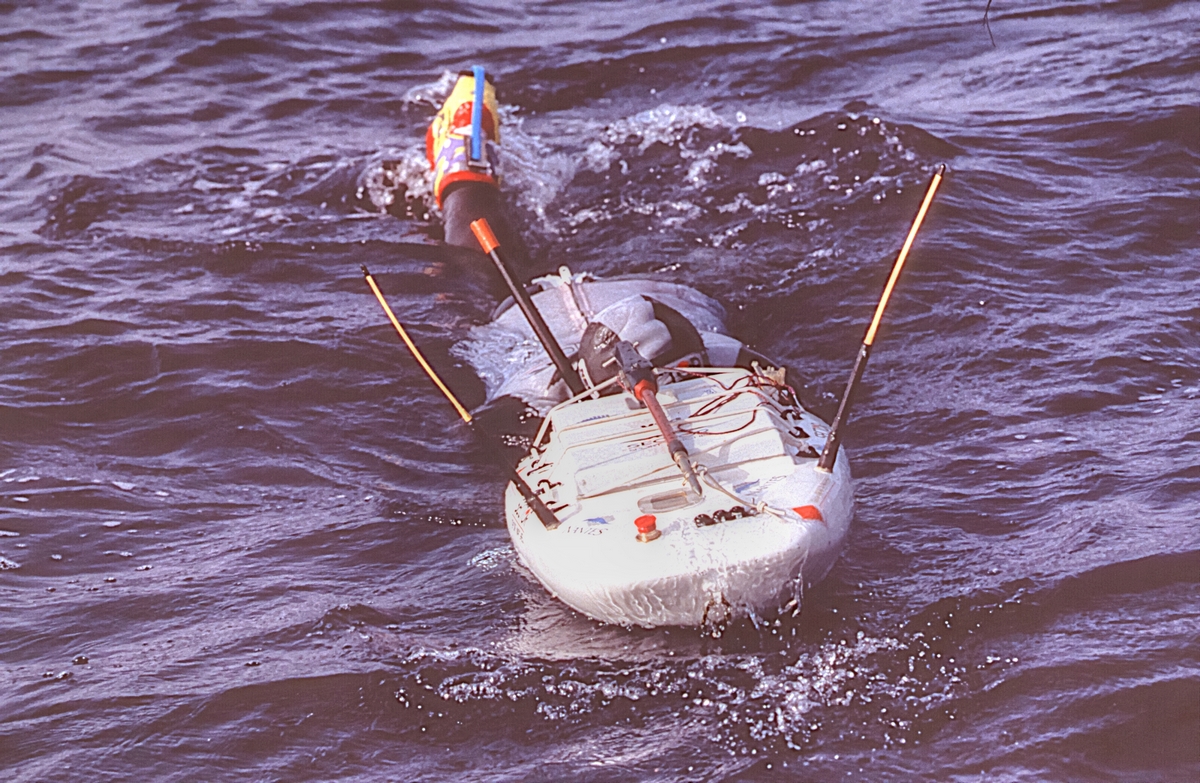
On December 16th, 1994, Guy Delage leaves alone the beaches of the archipelago of Cabo Verde.
The goal is to reach the Caribbean island of Barbados, swimming 6 to 8 hours a day (25 to 30 km with fins) and drifting the rest of the time on a tiny raft. There are no accompanying boats. He arrived in Barbados 55 days later!
Characteristics of the raft :
Main Sponsors :
- Sector Watches
- Nantes Town Hall
- Generale of Restoration
- Nestlé Research Center
- Leclerc Verdun
Objectives :
- Studying human behavior during long-term efforts in hostile environments (physiology, psychology, stress)
- Observe the pelagic fauna encountered and its behavior
- Develop a set of products (feed, mask, fins, combination, anti electric shark).
Hardware :
- Raft: 2m long by 0.6m wide and 0.75m high. Equipment 110 kg. Food 153 kg
- Swimming Float
- Prototype flippers, prototype mask, prototype swimming suit.
Preparation :
- 900 hours of endurance training (coach Laurent Schmidt)
- Nutritional preparation
- 150 scientists from 55 research programs to produce the materials needed for the operation.
Encountered difficulties :
- Shark attack
- Loss of the raft for 2 hours 30
- Burning of jellyfish physalia causing anaphylactic shock
Results, advances in knowledge, patents :
- Panoramic vision mask (170 °) without deformation (now used by the US Navy)
- Endurance fins
- Diving and swiming suit for long-term effort
- Dietary Supplement adapted to the nutrition of diabetics (Nestlé)
- Electric Shark System (sharkpod)
Scientific publications :
- Observations Ichthyology - Cybium 1995, 19 (4): 413-417
- Amac 9th Composites Days 22-24 Nov 1994
- Mechanism of damage of composites (Lamy-Burtin) 11th French congress of mechanics Lille 1993
- The combination of the exploit - ITF - 1995
Press releases
- 5500 magazine and press publications worldwide
- 29 hours of television on channels from around the world
- 47 hours of French-language radio and 8 hours on radios from non-French speaking countries!


1998 : "OXYGEN MISSION"
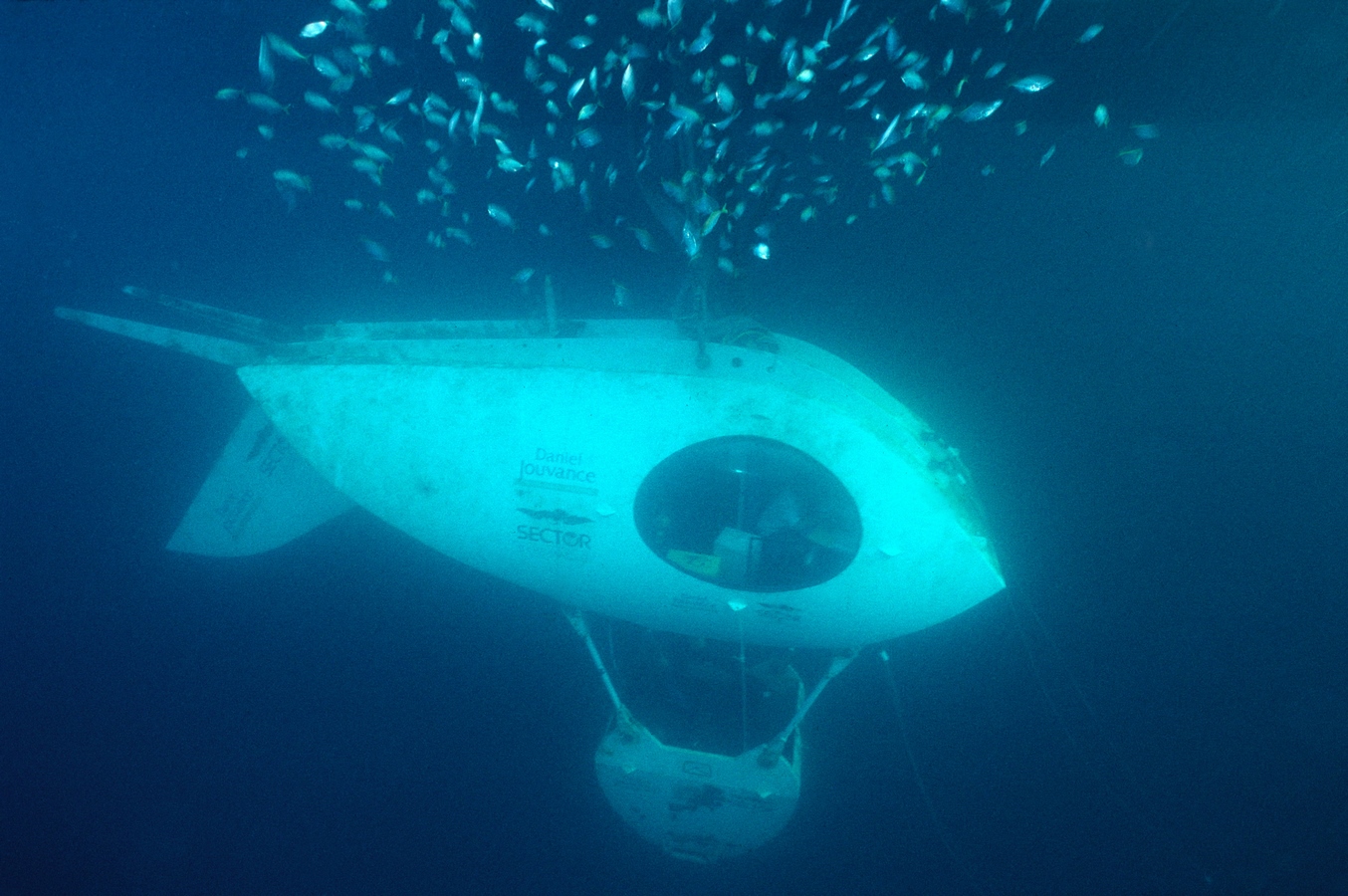
Crossing the Indian Ocean in 1998 in a submarine drifting habitat at -7m.
Difficult experience that opened up knowledge of the oceans in general and of the pelagic world in particular. Ocean Observer was to be an alert operation in direction of the general public."Pollution, fishing pressure, climatic desease are all phenomena that destroy the ocean balance. The future of man is played out in the depths of bluewaters because phyto plankton produces 80% of our oxygen, and more and more consciences are rising against the abuses of our industrial society to do that this environment must remain intact ... "
Main Sponsors :
- Sector Watches
- Jouvance Laboratories
Objectives :
Verification of the physiological capacity of man to resist in shallow blood nitrogen saturation with successive ascents to surface atmospheric pressure.
- Observation of the stress mechanisms of such a test. - Observation and report of the pelagic life by favoring its concentration around a drifting object.
- Collection of phytoplankton and zooplankton samples to develop a qualitative inventory of the area.
Aerial material = Steel float (Rougerie design)
- Length 10m
- Width 4.5 m
- Weight 12 tons
- Lest: 12.5 tons.
- Regeneration and compression of the air: 2 electric compressors 40l / min, 1 thermal compressor 26m3 / h, regeneration system with lithium hydroxide.
- Energy: 4 wind turbines, 12 * 85 W solar panels, batteries 1000 A / h in 12 V.
Underwater Material
= Steel Habitat (Rougerie Design)
- Long 6m
- Width 2.2m
- Volume 16 m3
- Weight 6.5 tons
- Facilities : 1 office, 1 WC, 1 berth, 2 microwaves
Communication systems :
Immarsat B, C, B.LU and V.H.F.
Preparation :
- simulation at the hyperbaric center of Ravenna in Italy
- Test in situ in the port of Havre.
Difficulties encountered :
- Abnormally strong weather conditions for the season (El Nino?)
- Breakage of the under - marine habitat suspension (resistance 200 tons), and sinking of the submarine habitat after 13 days of drift.
Results, advances in knowledge :
- Observations in marine biology carried out at 65%
- Planktonic samplings carried out at 60%
- Experience ( Sinking of Ocean Observer) leading to the design of new submarine habitats.


TERRESTRIAL ADVENTURES
_________________________________________________________________________________________________________________
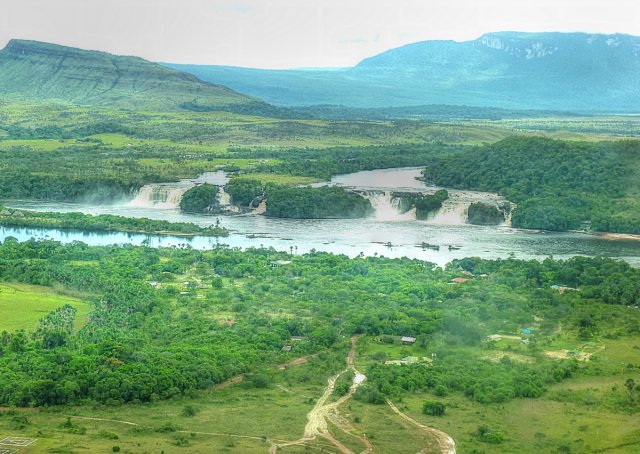
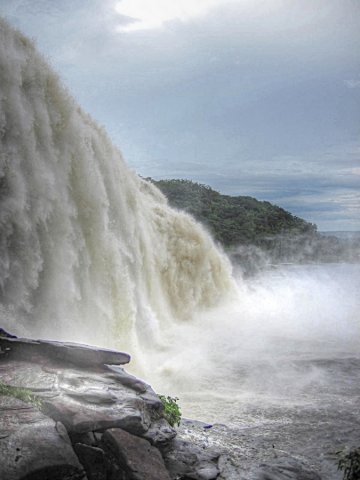
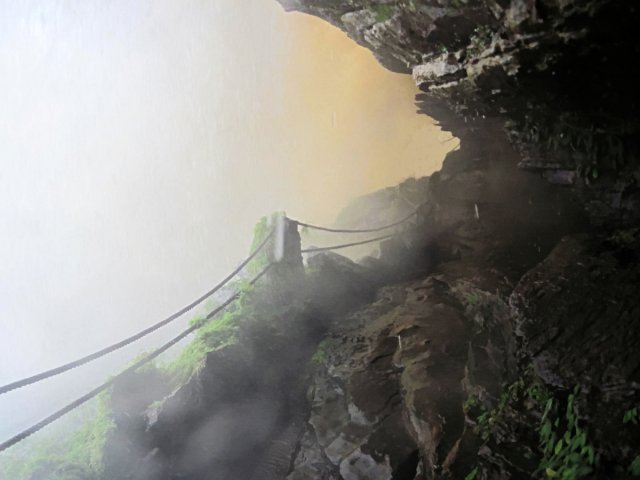
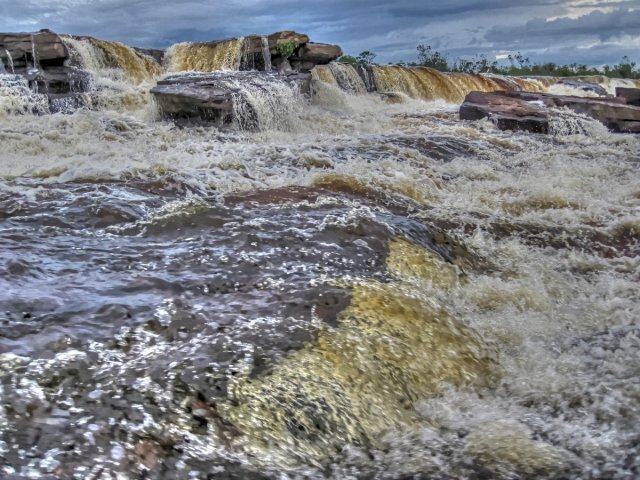
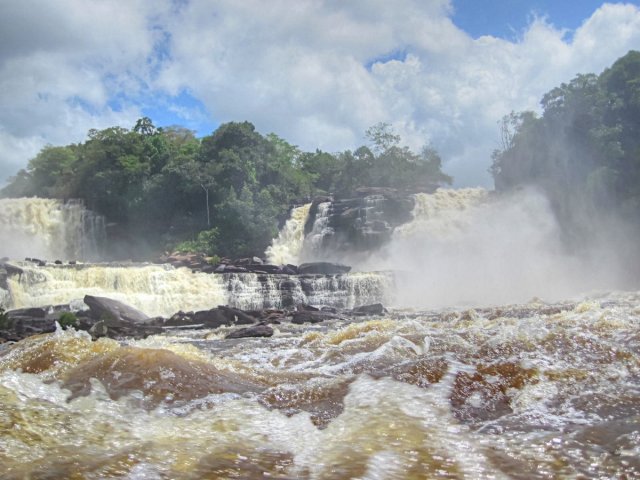
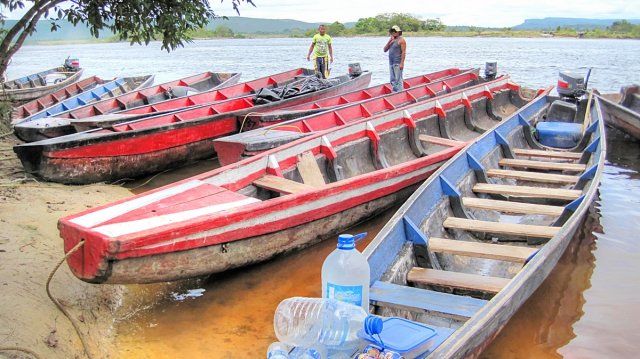
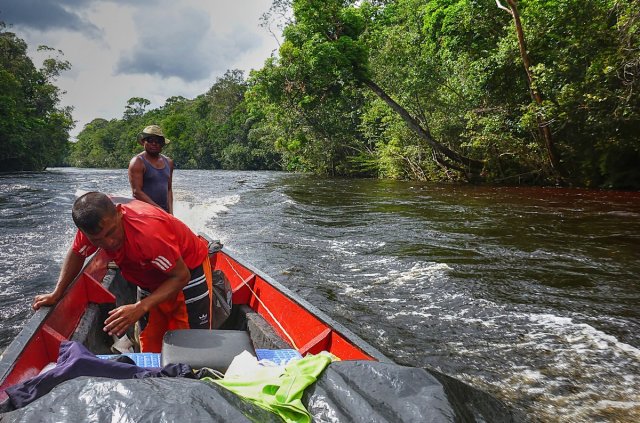
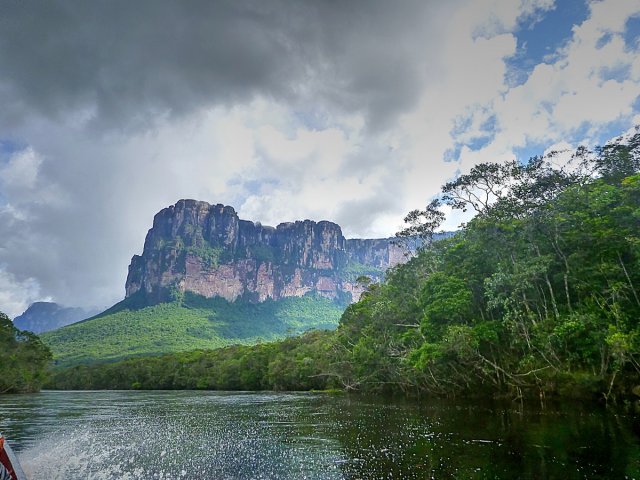
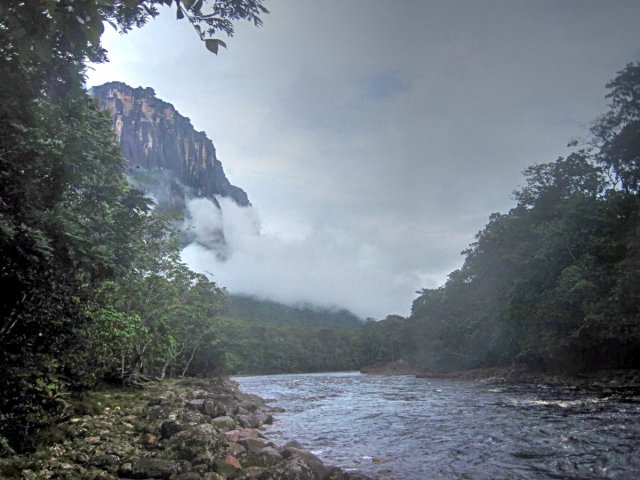
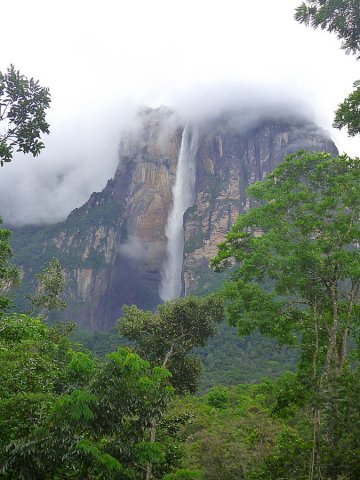
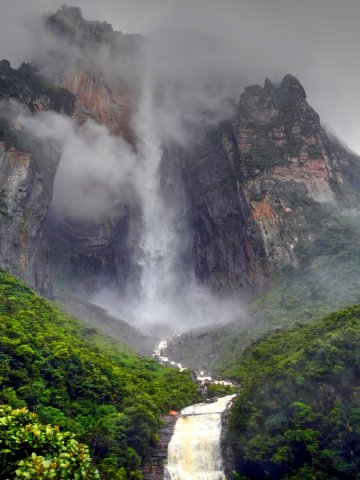
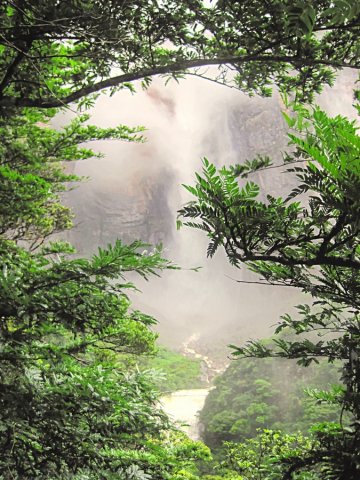
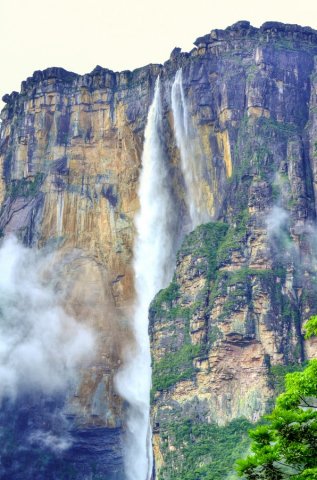
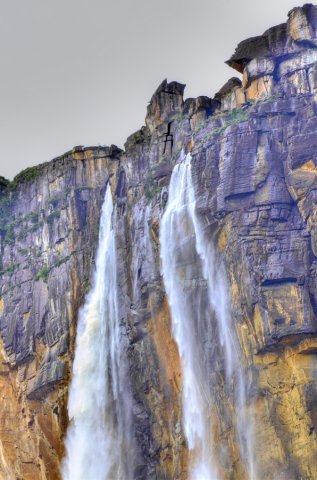
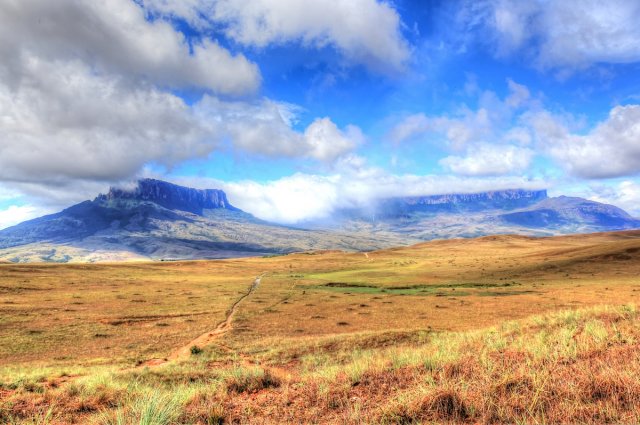
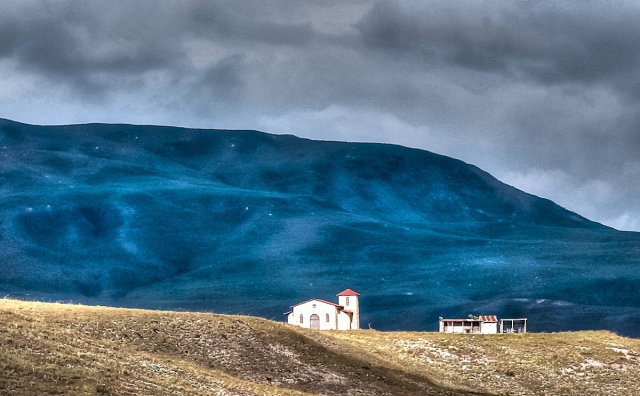
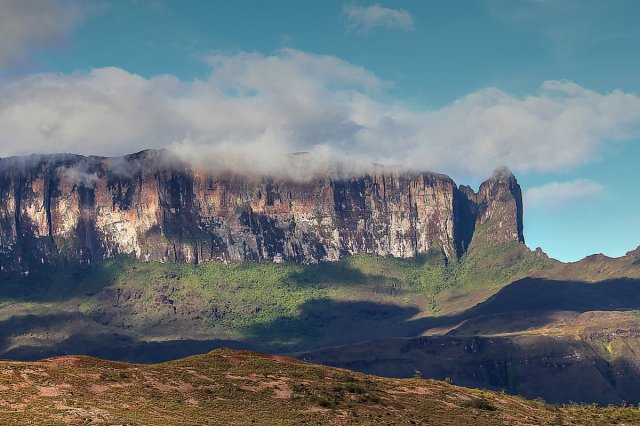
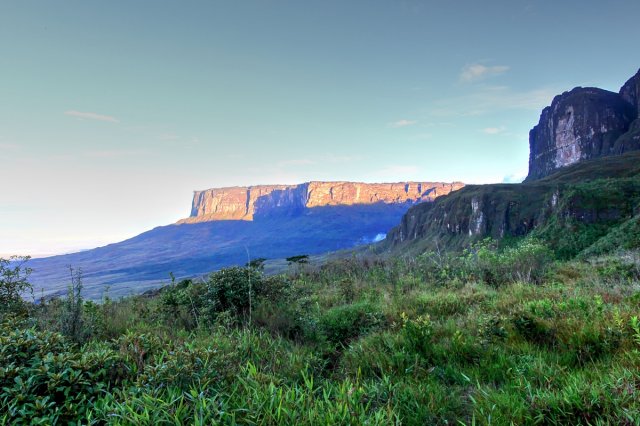
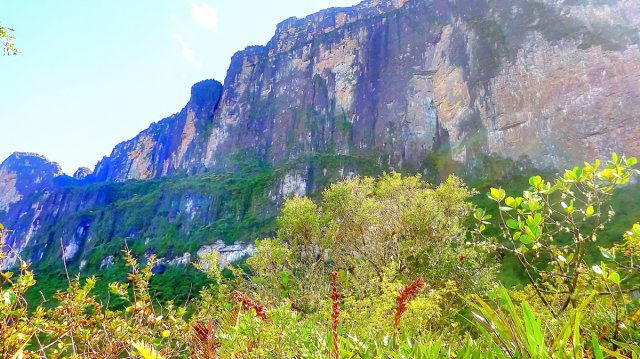
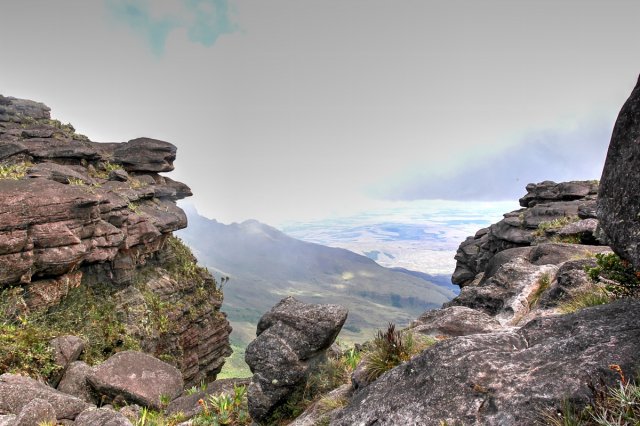
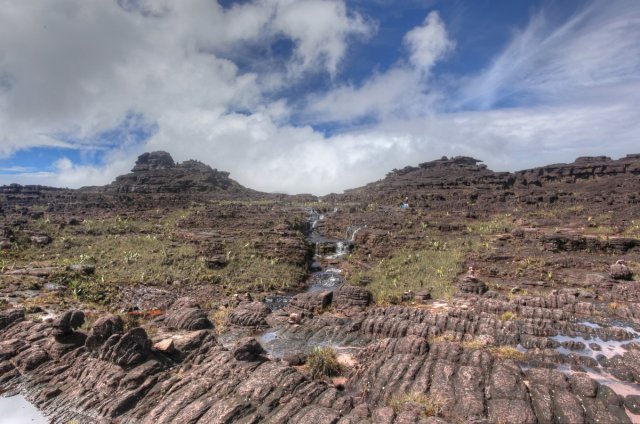
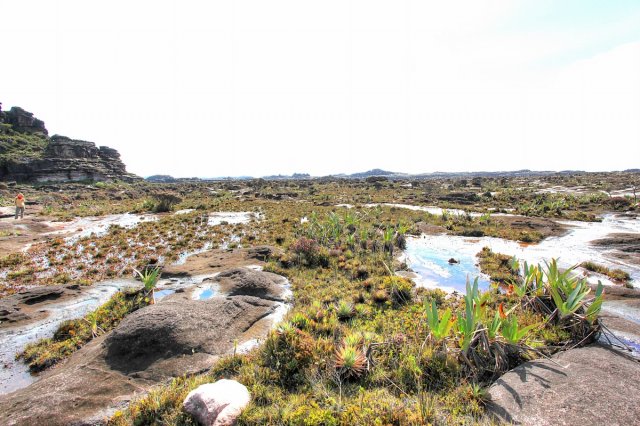
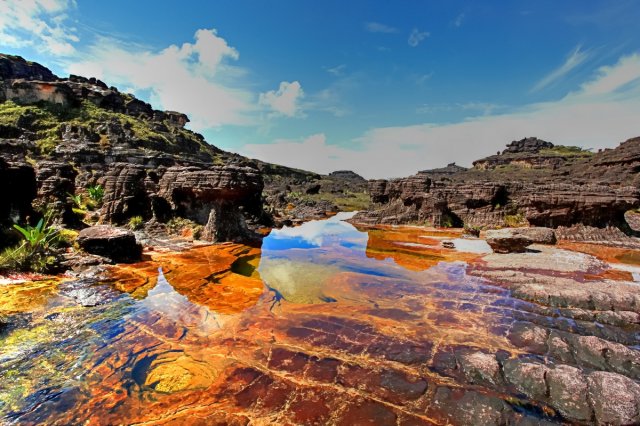
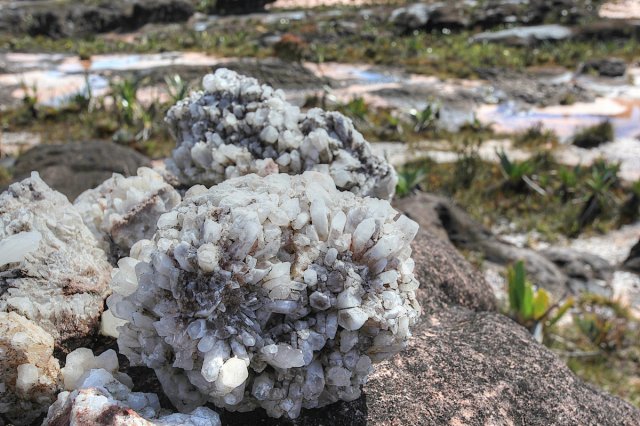
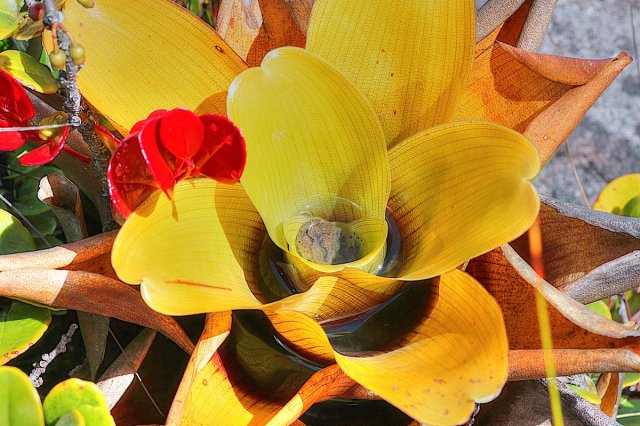
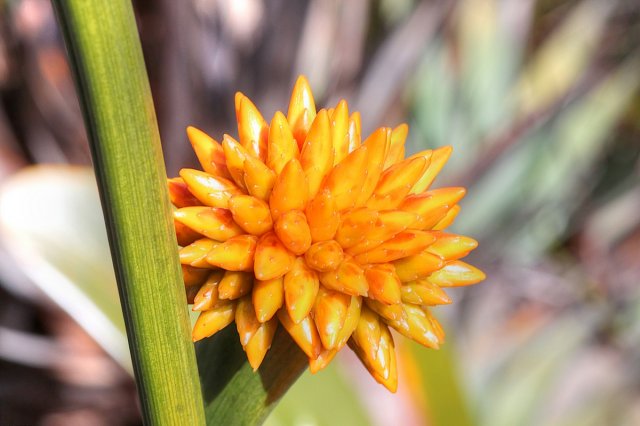
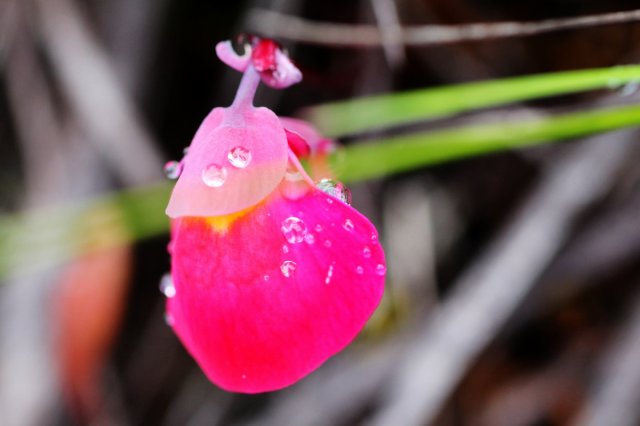
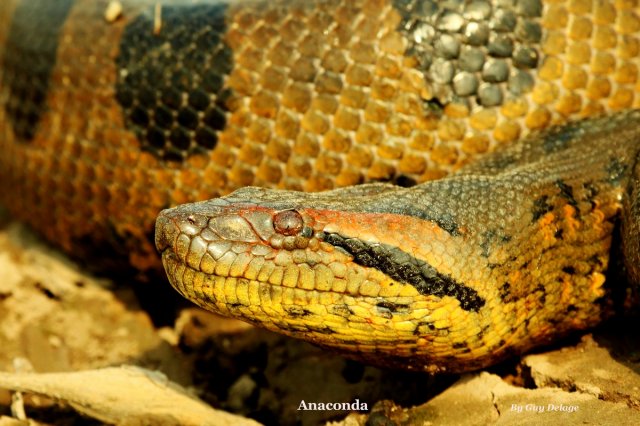
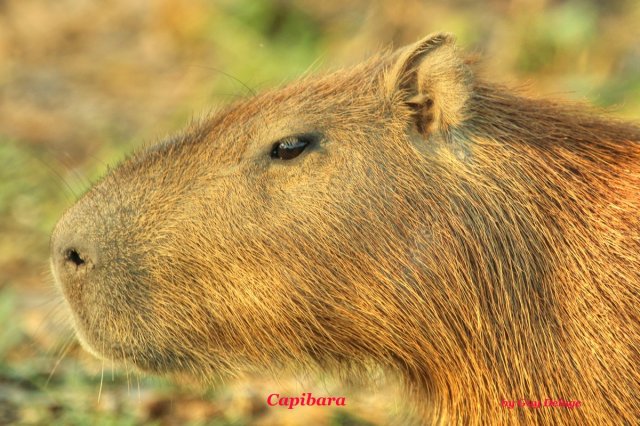
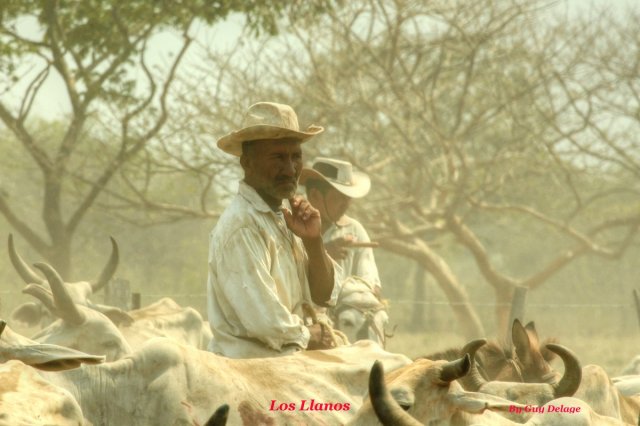
1980-2014 : VENEZUELA (Salto Angel, Roraima, Auyan Tepui, Rio Carau, Gran Sababna, Los Llanos, etc.)
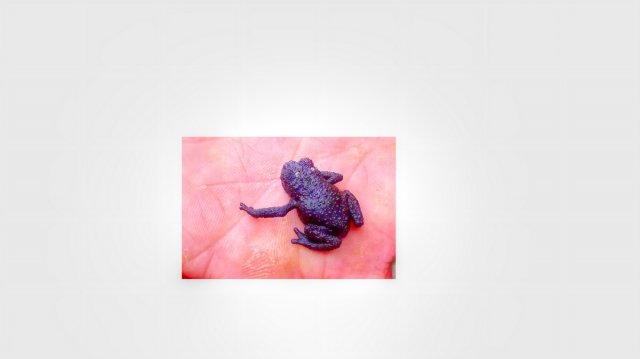
What incredible adventure memories in this beautiful country with an amazing diversity! "Hard" treks like the Ayantepui with passages in the middle of fields of rattlesnakes, or the lost world of Roraima, walks that take you to the heart of the rainforest and its inestimable biodiversity like the one that leads to the Salto Angel, encounters of tribes still little touched by tourism upstream of the Rio Caura, or up the Orinoco, here, everything is possible, including passing life to death under the bullets of desperados in Caracas or elsewhere!If you want information to go immerse yourself in these landscapes without equivalent, you can leave me a message, I will answer you!
Salto Angel
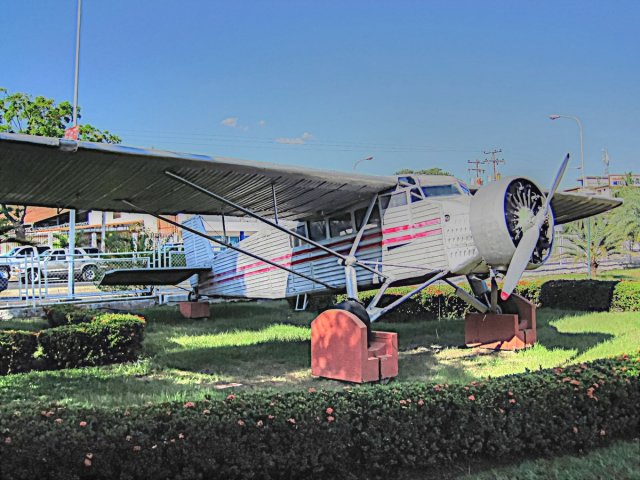
Roraima
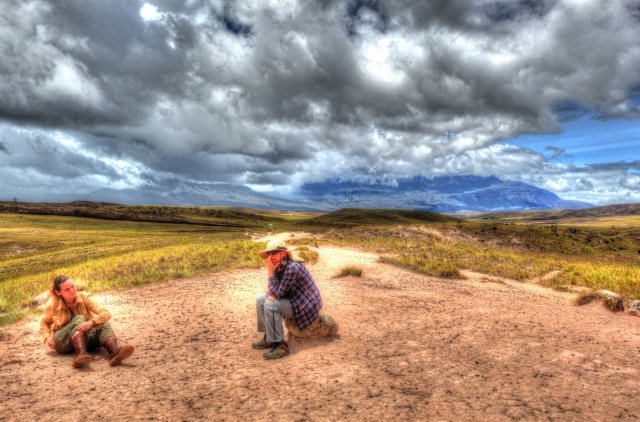
Los Llanos
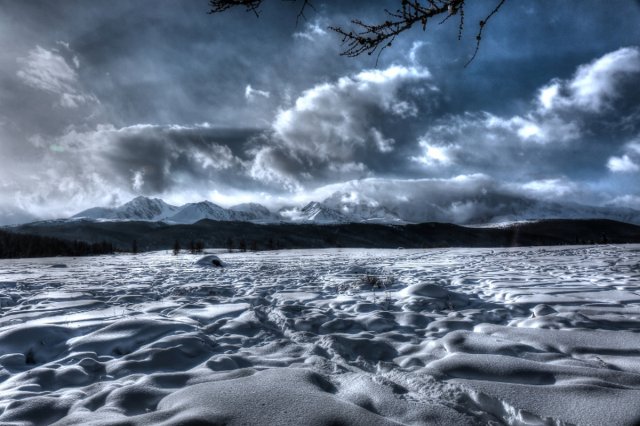
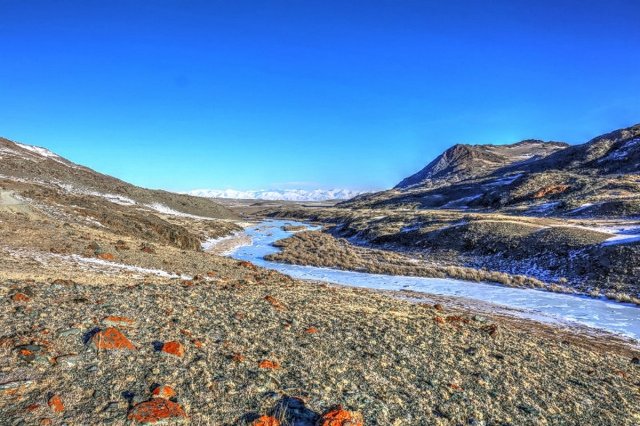
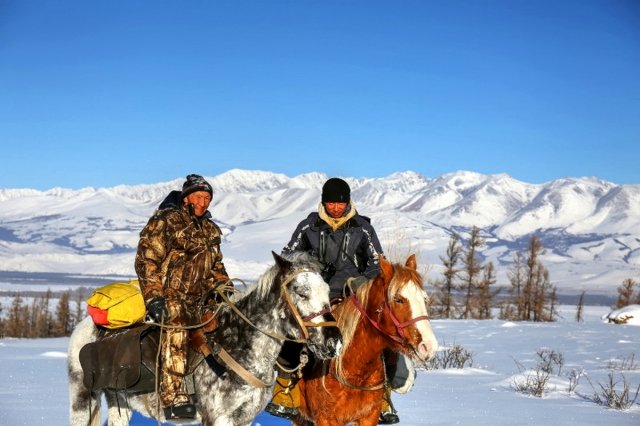
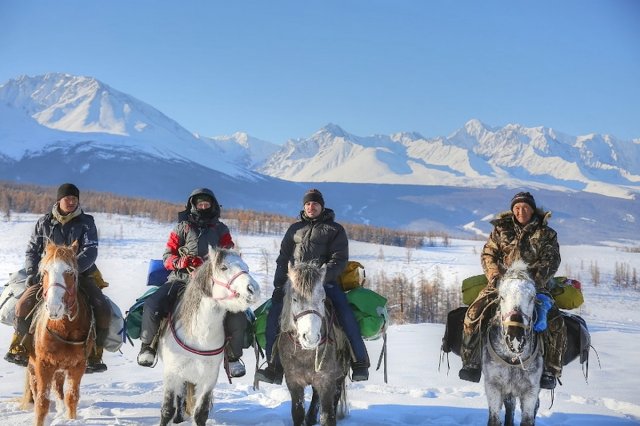
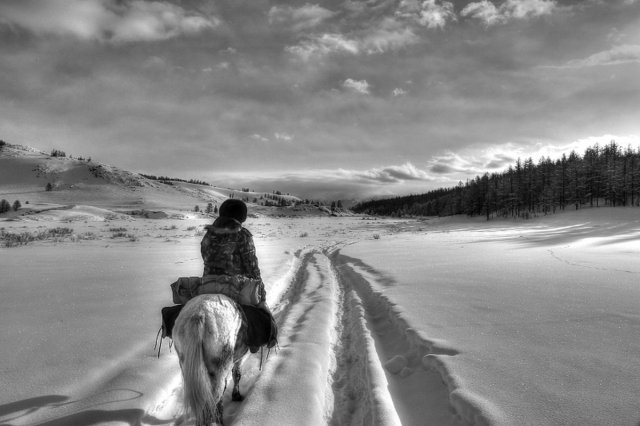
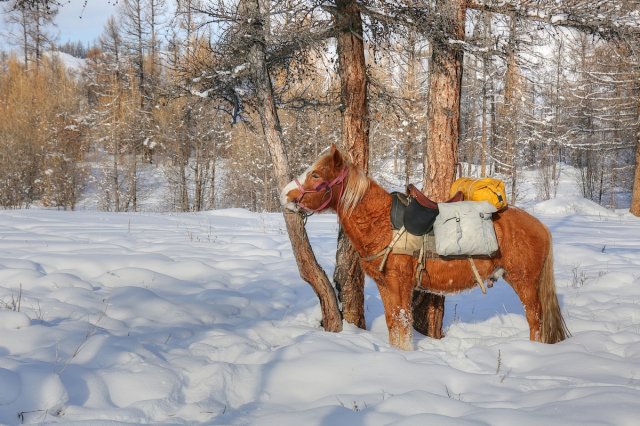
JANAUARY 2017 : WINTER RIDE IN RUSSIAN ALTAÏ
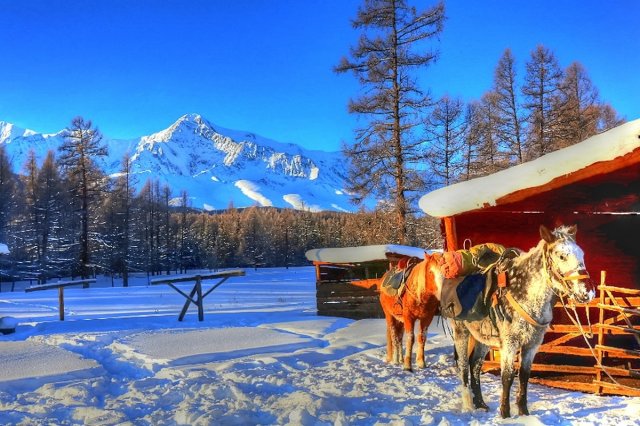
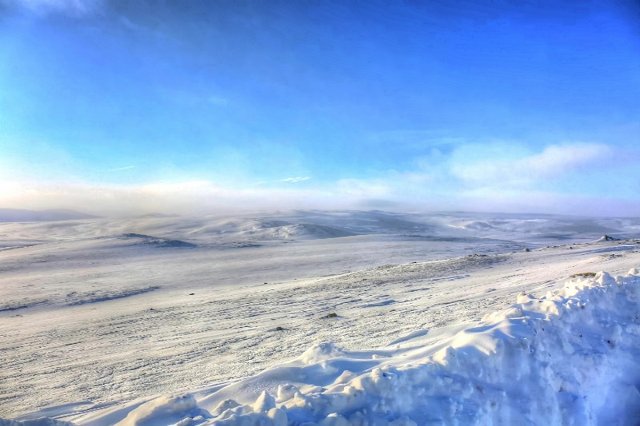
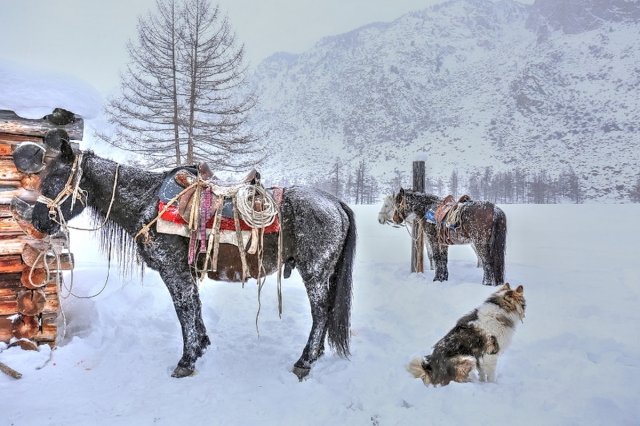
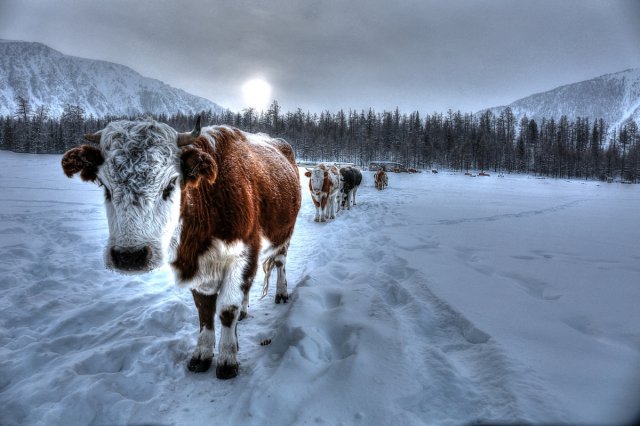
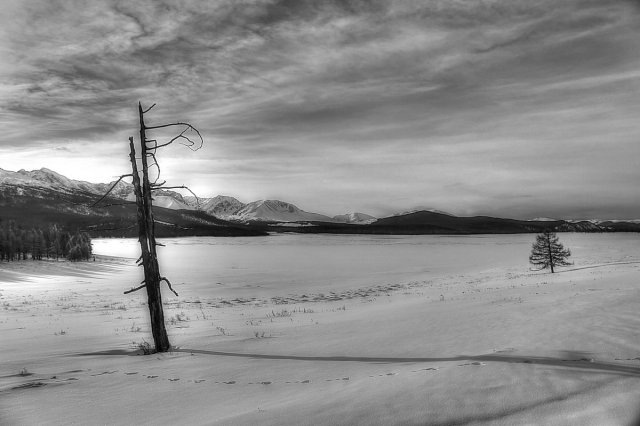
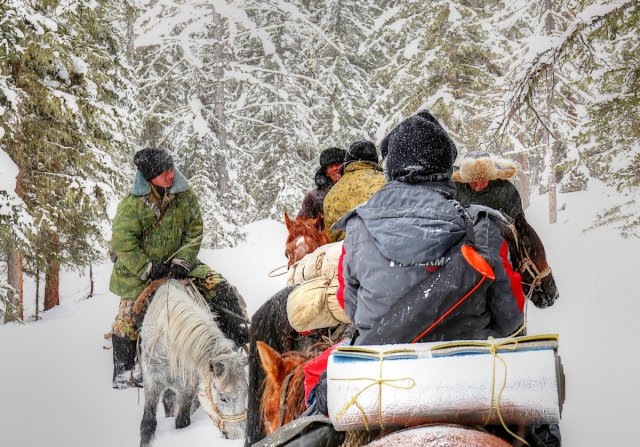
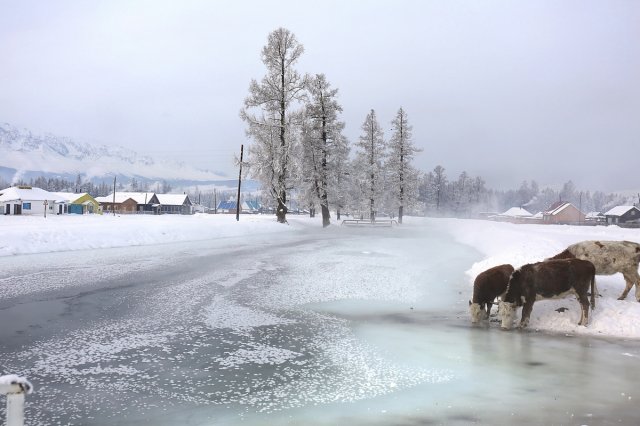
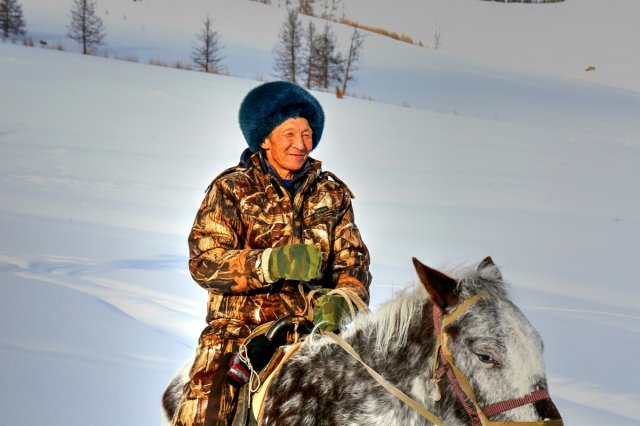
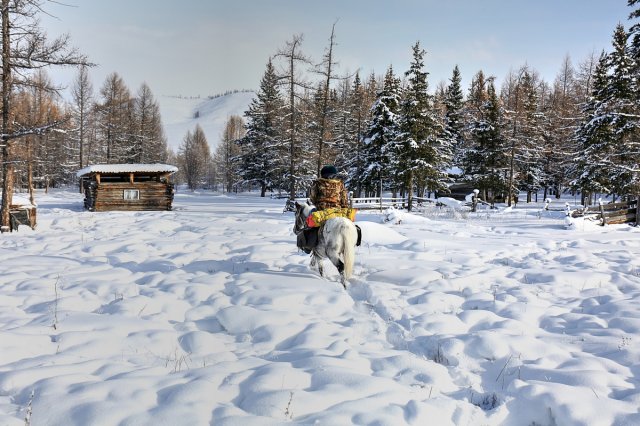
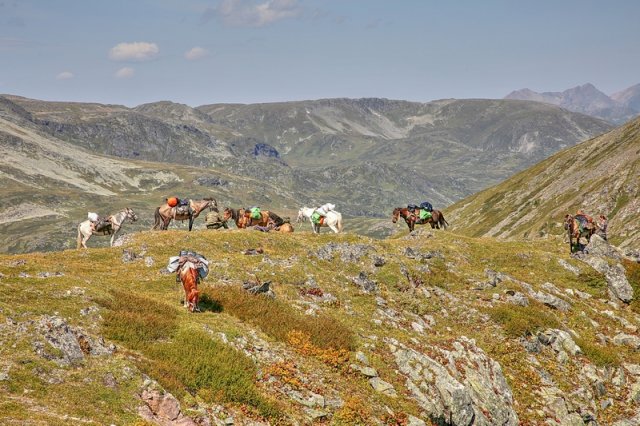
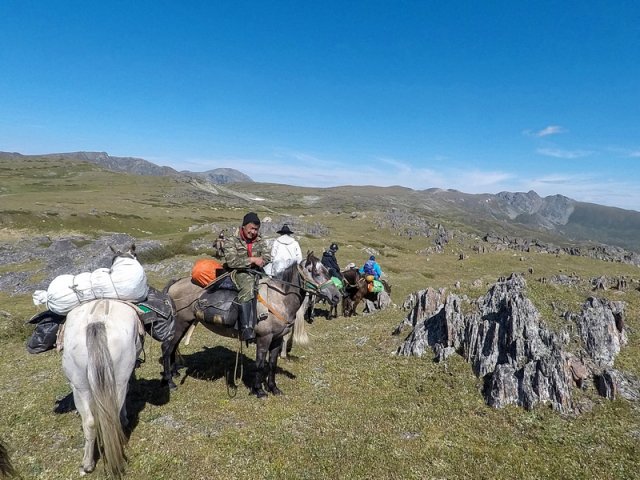
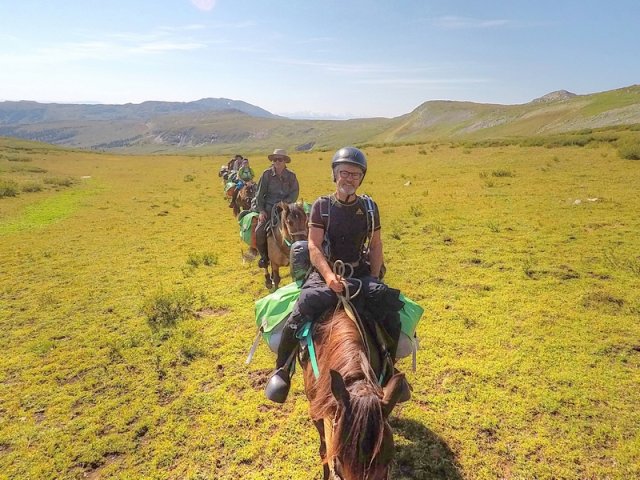
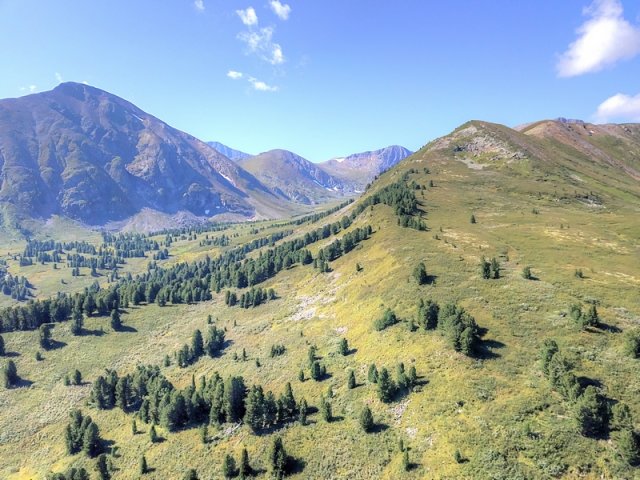
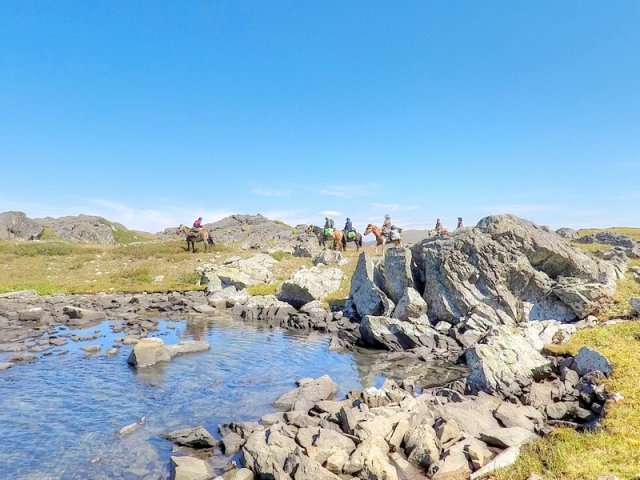
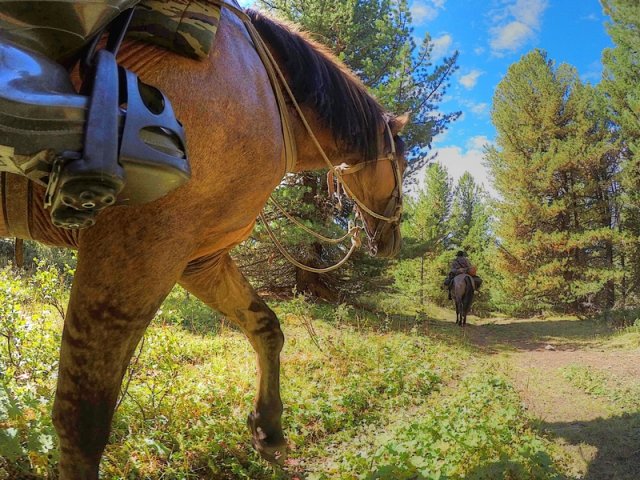
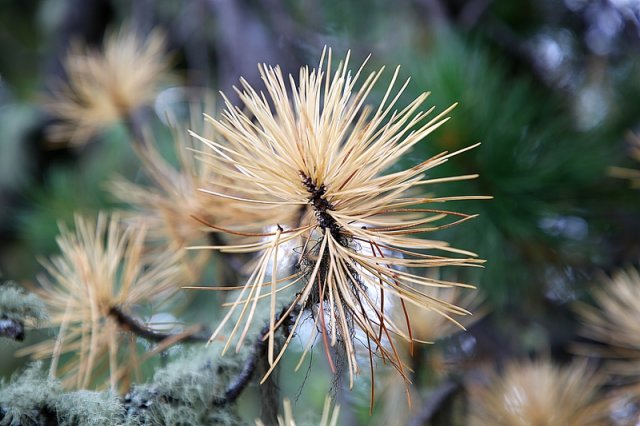
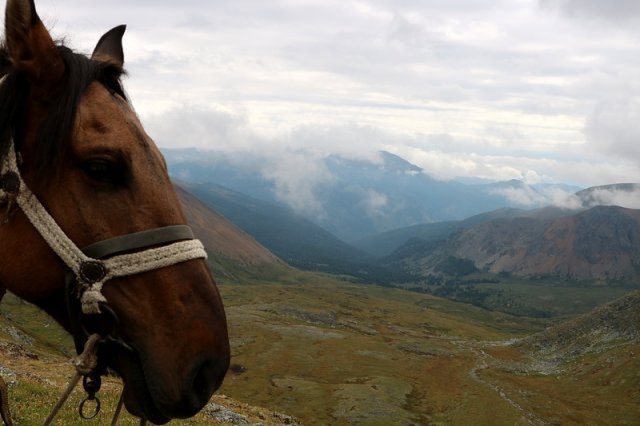
300 km on horseback in the Russian Altai, on the border of Mongolia, Kazakhstan and China, by -40 ° ... Meetings of agrarian peoples living between the Middle Ages and the 21 st century. Exceptional landscapes in which the wolf, the maral or the bear are still very present! A shamanic land with astonishing religious traditions, a culture that gives pride of place to the diphonic singers, it is a world still preserved as soon as one moves away from the route of the Tea or the Road of Silk that crosses it to join Mongolia then the China! Of course, the FSB (ex KGB) is present and we have paid the price! Fortunately Larysa is Russian! She was the only organisator of this trip !

AUGUST 2017 : SUMMER RIDE IN RUSSIAN ALTAÏ
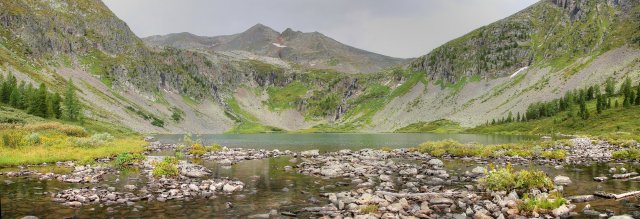
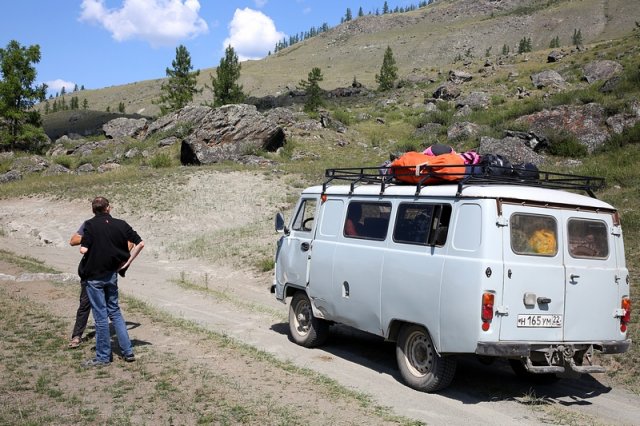
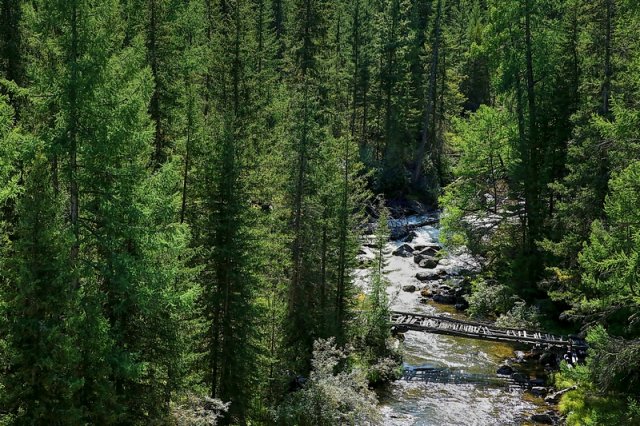
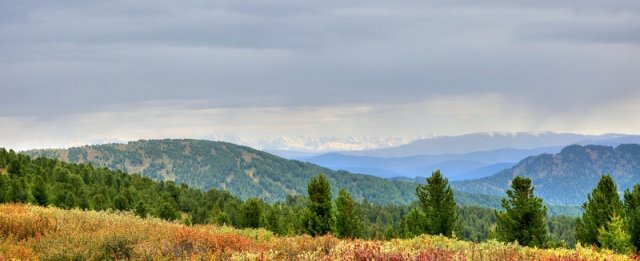
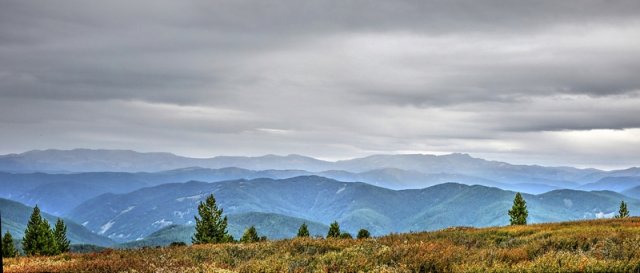
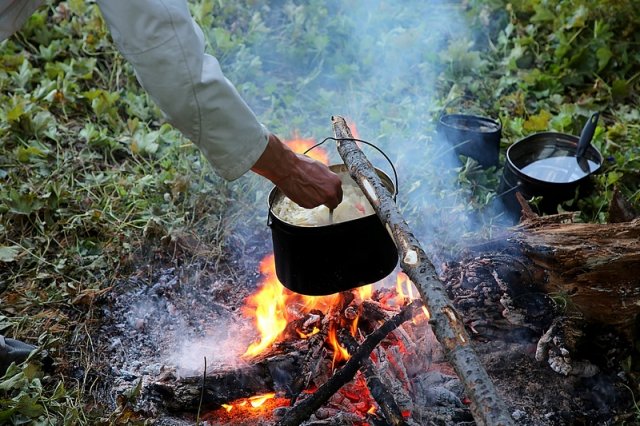
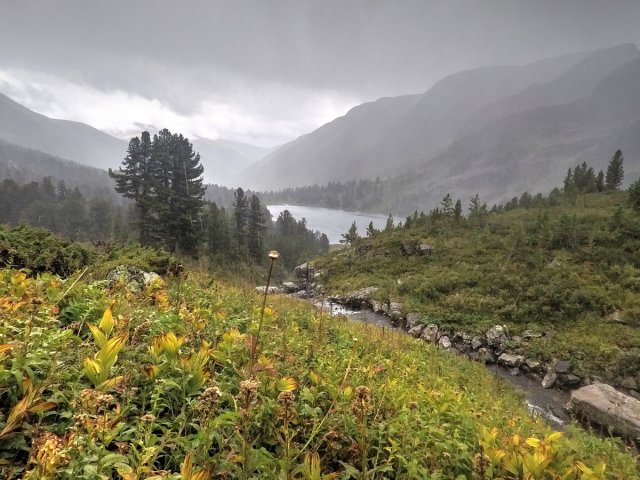
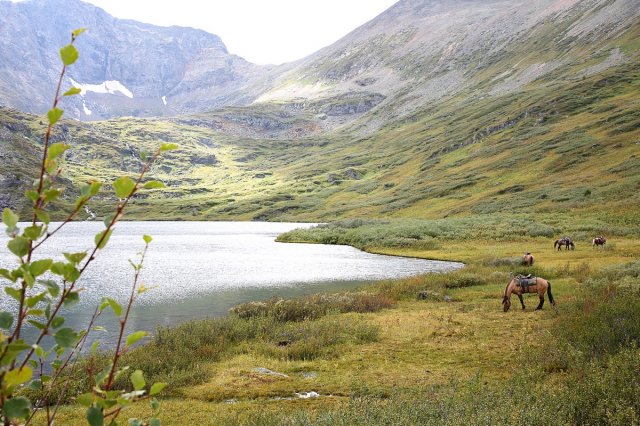
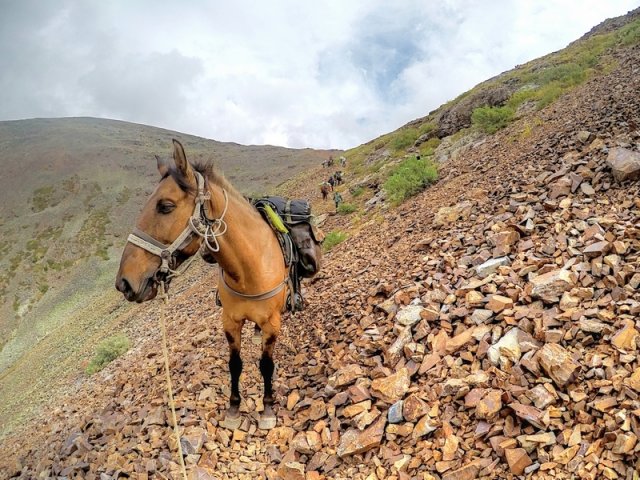
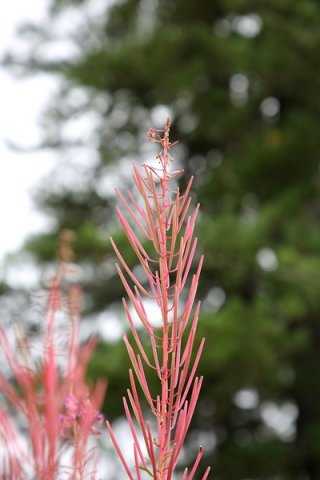
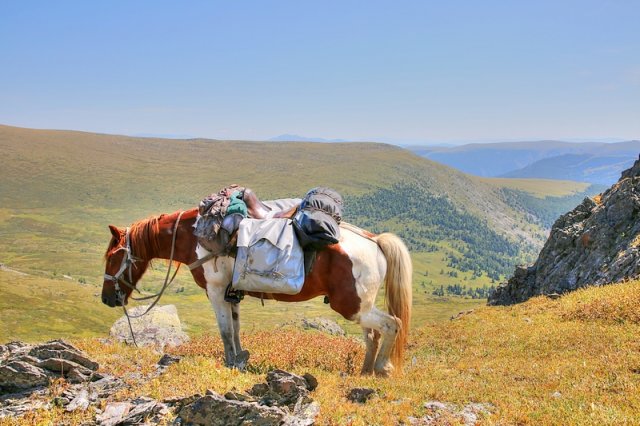
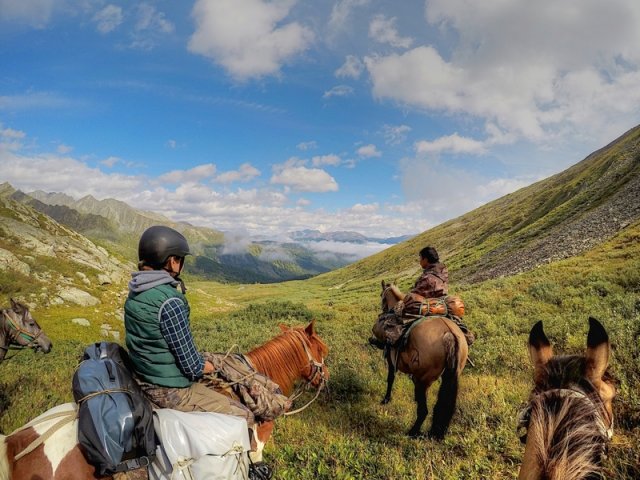
19 days riding independently again in the Russian Altai, this adventure allowed to tread isolated lands where few humans have passed. It was the second meeting with these wonderful Altai horses able to cross the impassable.Rivers in flood, scree, taiga labyrinth, torrential rains, nothing will have been spared to the team that composed Larya and Guy.The two forest guides who accompanied them were men from the forest, hunters accustomed to live independently in the harsh conditions of the wilderness. Shamanism was their "religion" and whenever possible, they thanked their gods for giving them life in these extraordinary places. This ride was alo organised by Larysa. if you need informations or if you want that she organize your trip in these places constact us.
AERIAL ADVENTURES
_________________________________________________________________________________________________________________
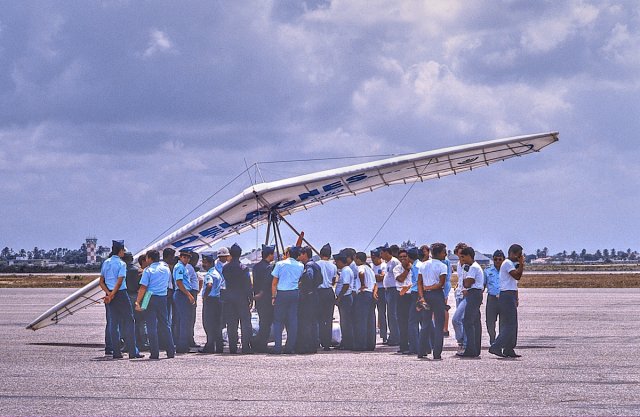
Soon in 1980, Guy Delage experimented the third dimension,. First he became glider pilot. Then, he became plane pilot, then instructor for light aircraft piloting. He was also involved in the first experimentation of paragliding (years 1986-1987).
Quickly, he combined his various know-how (aerodynamics, hydrodynamics, composite construction) to create several innovative aircraft systems. Some of them have been patented (seaplane floats).
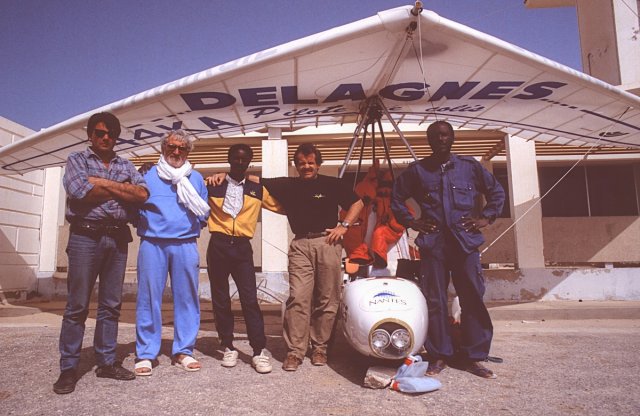
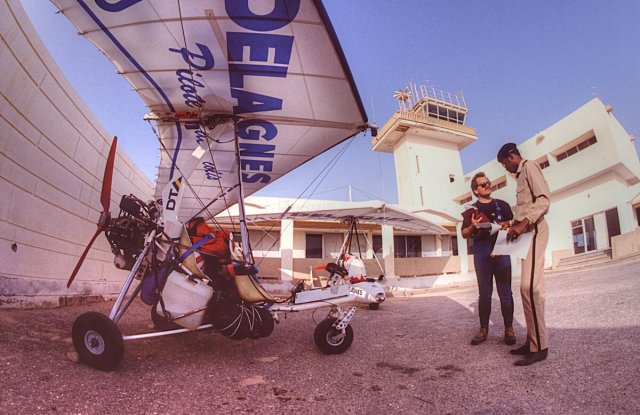
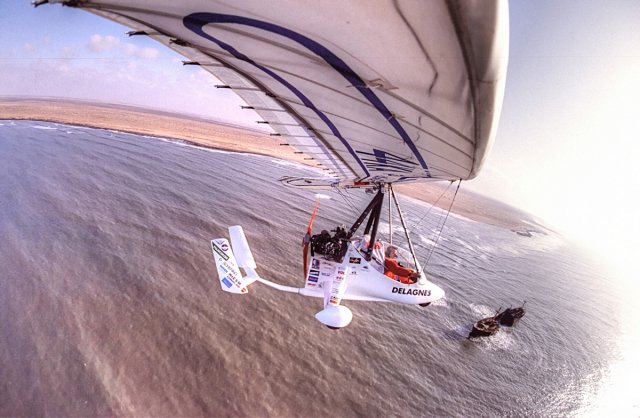
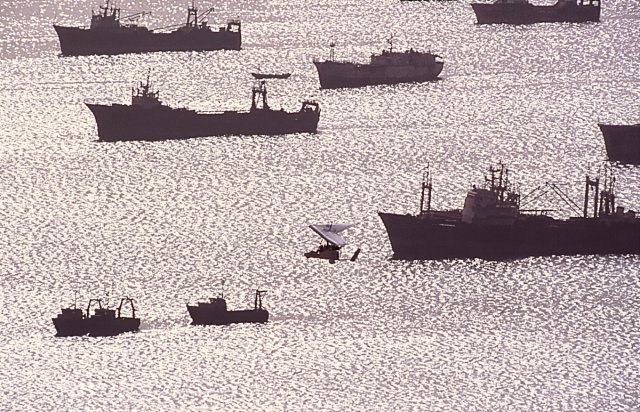
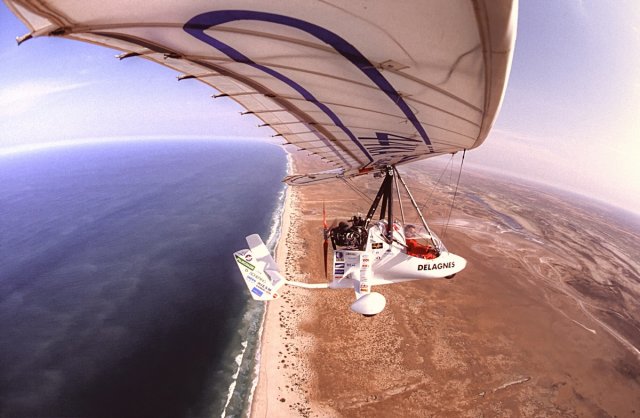
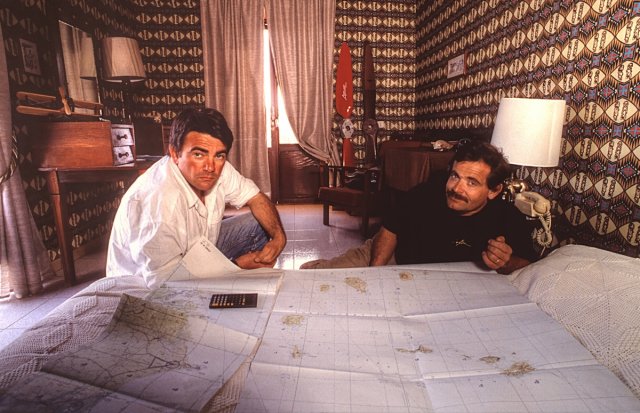
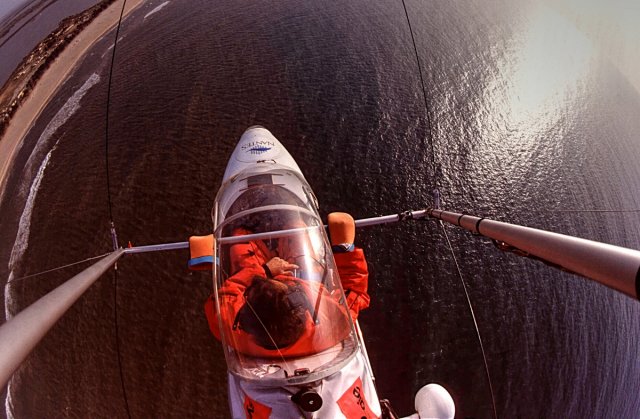
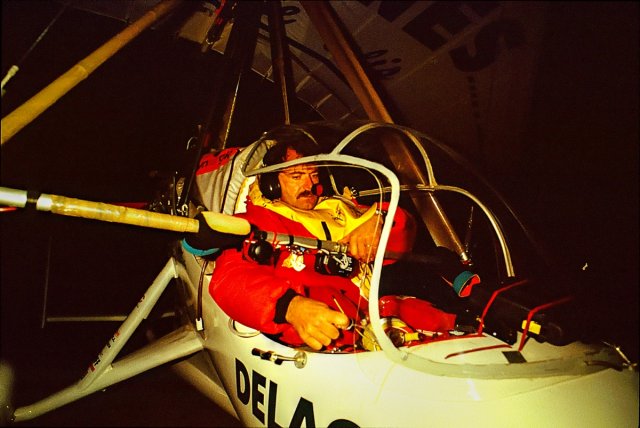
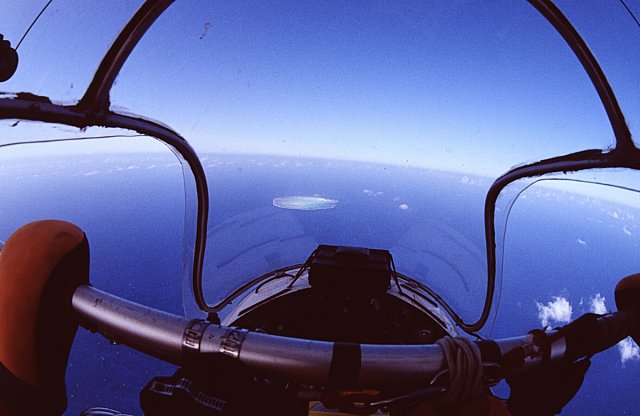
He flew all over the world and was associated with several humanitarian missions that lead him to rethink the reliability of the ultra-light aircraft. He decided to test a new machine by trying to connect Nantes in France to Recife in Brazil.
"I do not know if it’s the reading of Saint Exupery or Mermoz books who gave me the desire to know the places where they had traveled, their image and feeling. But the need to join Brazil in flight on a microlight trike led me into one of the most dangerous adventures that I have been given to achieve "
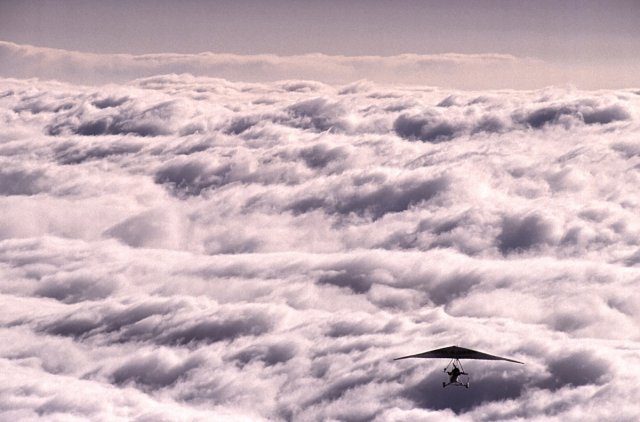
"It is the experience that left me the most violent taste of fear." It is particularly difficult to describe what microligh flight means in a tropical cumulonimbus, and I advise anyone who wants to know more about to read my french book "Atlantiques" edited by Ramsay. "
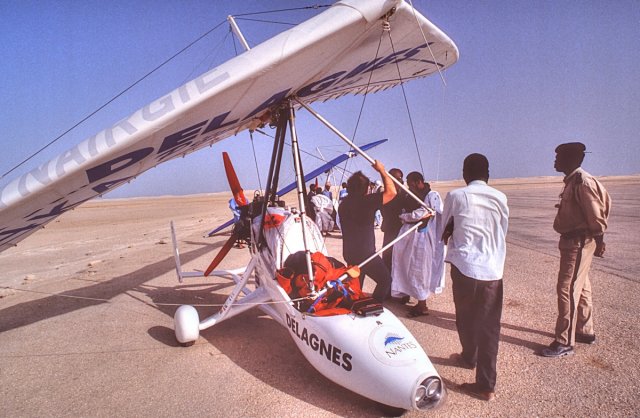
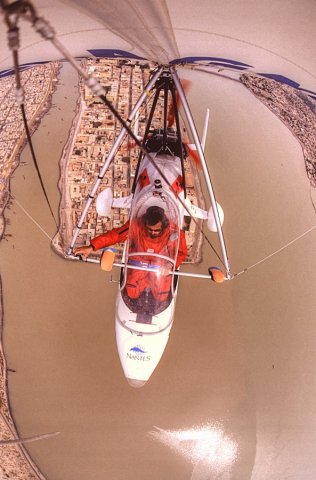
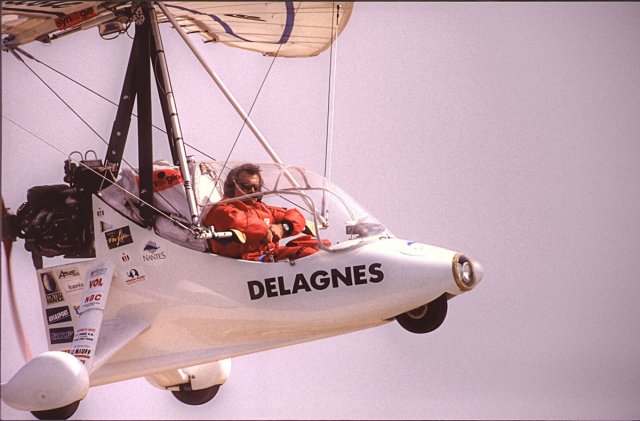
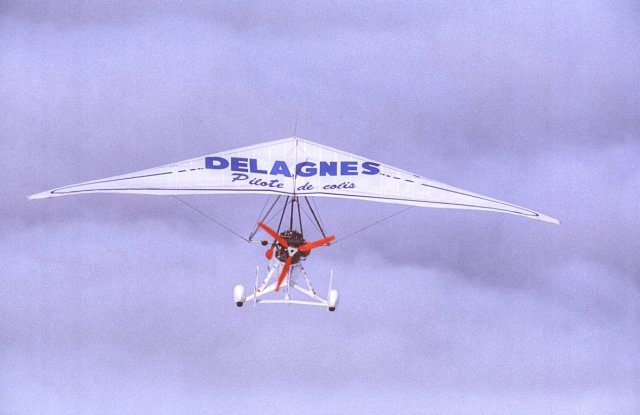
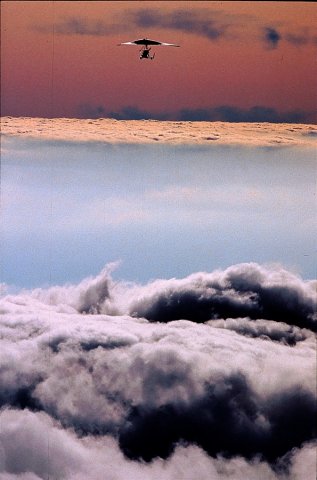
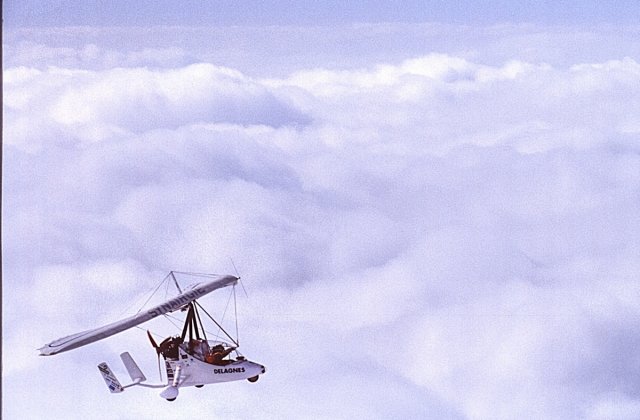
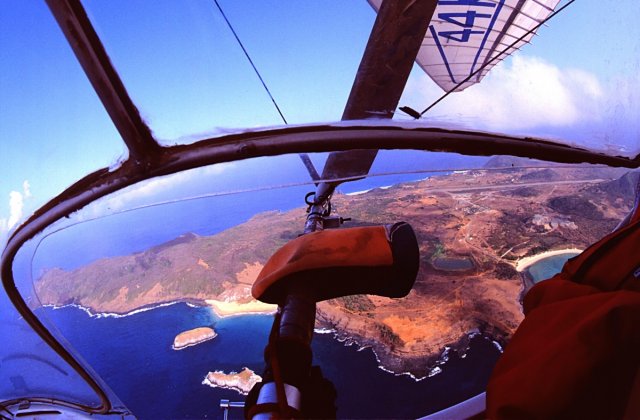
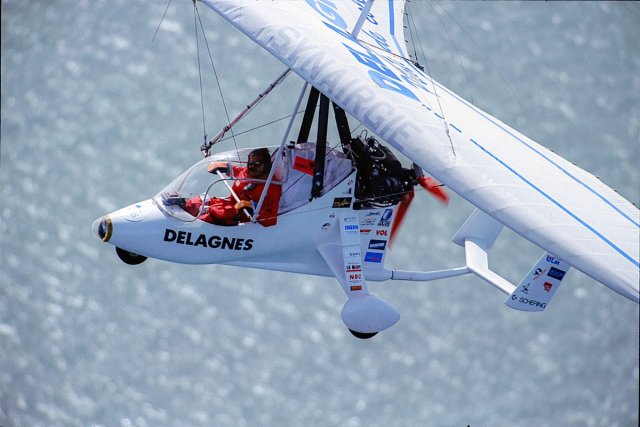
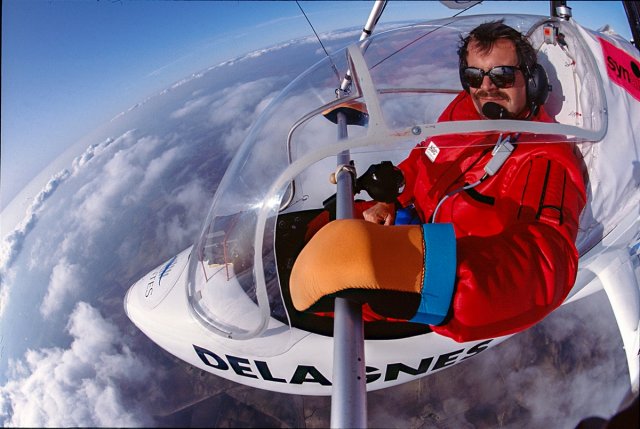
DECEMBER 21, 1991 : THE "Mermoz route" : MICROLIGHT FLIGHT FROM NANTES (France) TO RECIFE (Brazil)
microlight aircraft records not homologated because Guy doesn’t want to be feeled like a record chaser.
Longest distance covered non-stop: 2700 kms
Longest flight time: 27 h
Longer maritime survey on a microlight aitcraft
Material :
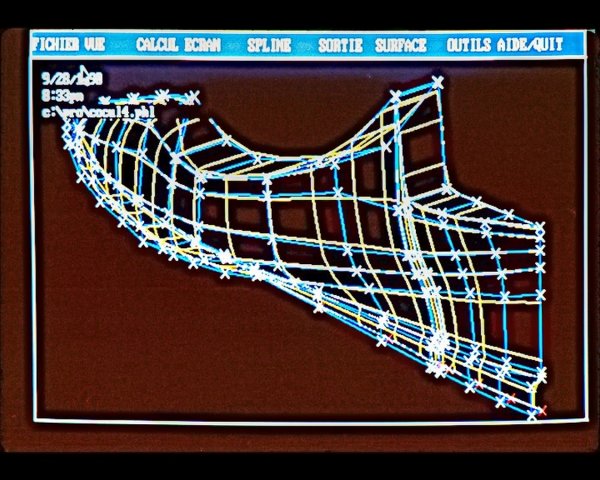
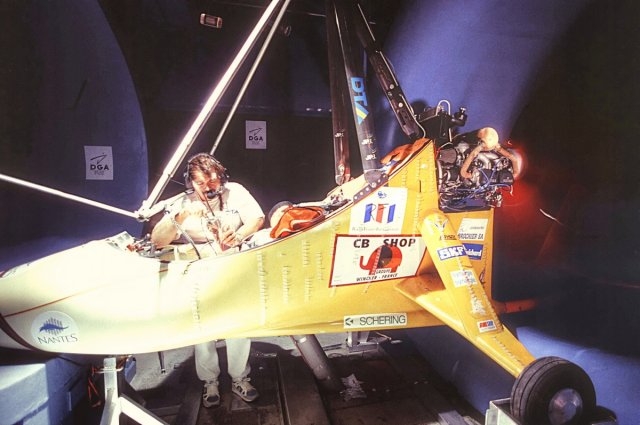
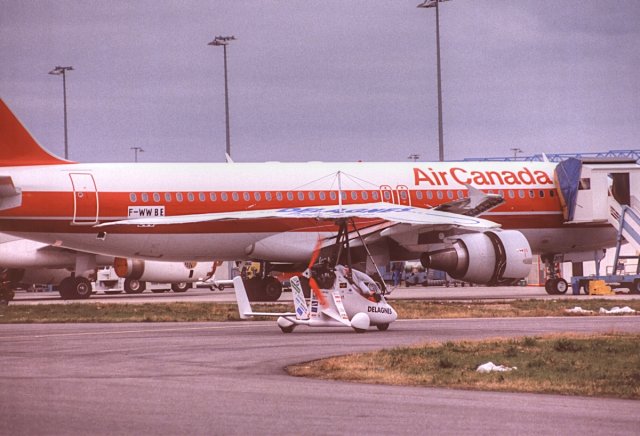
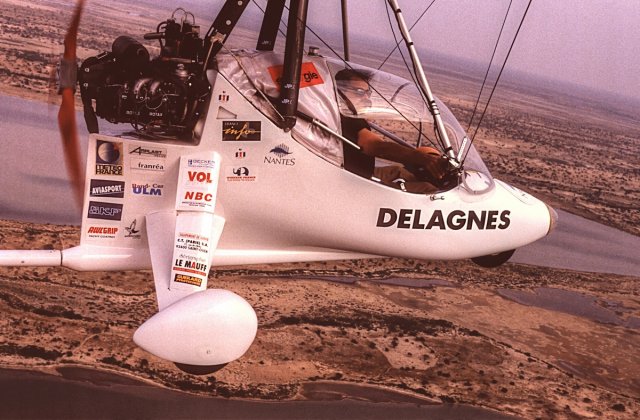
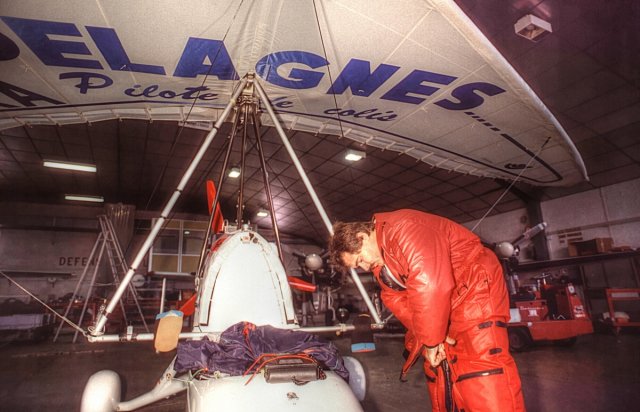
A one off trike designed and built by Guy himself. This aircraft was made of carbon fiber epoxy and Airex foam or Nomex core sandwich
Light weight 225 kg
Autonomy 40 hours (4000 km)
350 liters of benzin
Engine Rotax 912 (the third numero of this success story engine of Rotax!)
Wing (16m²) from Synairgie
Preparation :
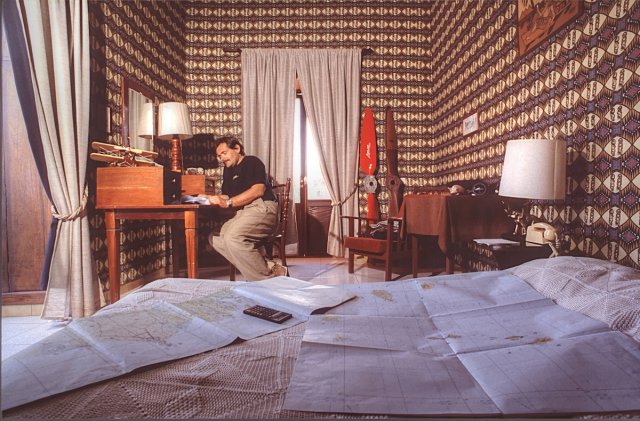
- 6 months for aircraft designing and calculation (structure calculated by C. Baley)
- Two years of work on « vigilance and sleeping risk » with the teams of Rangueil CHU and Christian Bourbon of Toulouse.
- A year of work on the local prediction of cumulonimbus in the intertropical convergence zone with Météo France and the Center de Lannion (reduction of the time transfer to satellite data analysis)
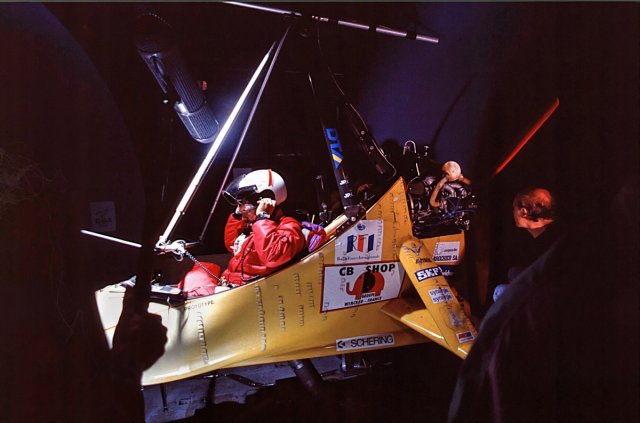
- 2 biological simulation of 40 hours in the ULM in operation in the wind tunnel of the Toulouse CEAT
Stopover on airports :
Nantes, Toulouse, Barcelona, Castellon de la Plana, Córdoba, Jerez, Rabat, Essaouira, Tan Tan, Cape Juby, El Layoune, Dakhla, Nouadhibou, Nouakchott, , Island of Fernando de Noronha, Natal, Recife.
Encountered difficulties :
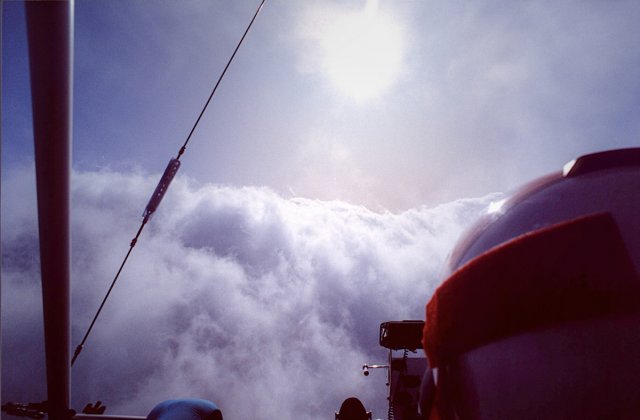
- ITCZ crossing (5 hours in the cumulonimbus), enormous turbulences.
- Exhaustion due to low frequency vibrations
- Lack of sleep for 27 hours of flight